

The Digital Blueprint: What Makes a Great Architecture Website?
The digital landscape has profoundly transformed how we interact with architecture and design. What began as static online portfolios has evolved into dynamic, interactive hubs that serve as indispensable resources for inspiration, information, and professional development. A great architecture and design website, whether it’s a global platform or an individual studio’s portfolio, is characterized by several key elements.
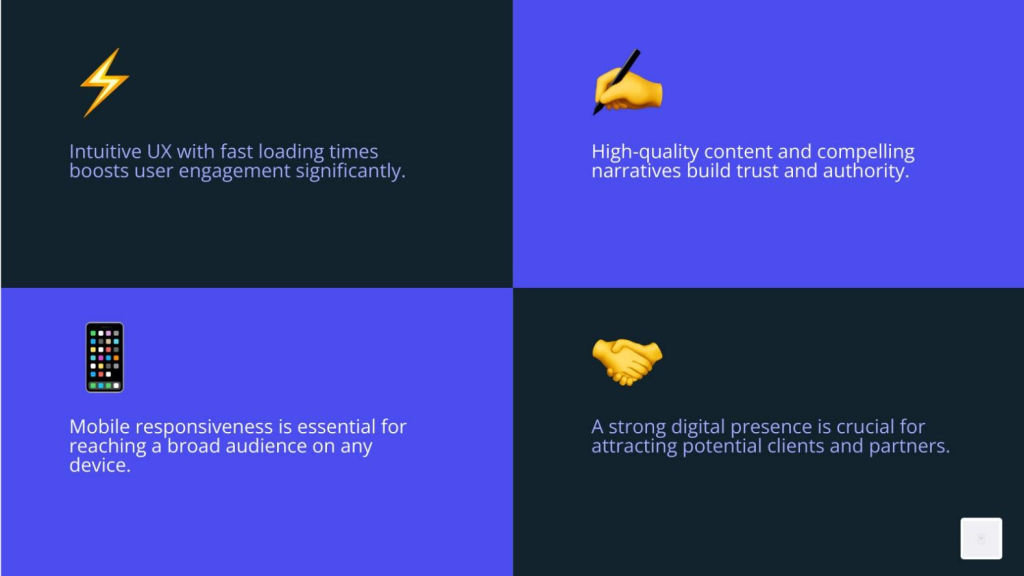
First and foremost is an exceptional User Experience (UX). This means intuitive navigation, fast loading times, and a responsive design that adapts seamlessly across all devices. The ease with which users can find projects, articles, or products directly impacts engagement and perceived quality. Next, Content Quality is paramount. High-resolution imagery, compelling narratives, and accurate, well-researched information are crucial. These sites excel at editorial curation, presenting not just projects, but the stories, challenges, and innovations behind them. Finally, Mobile Responsiveness is no longer a luxury but a necessity, ensuring that content is accessible and visually appealing on smartphones and tablets, where a significant portion of traffic originates.
The effectiveness of a website, especially for professionals, is amplified when it is well-designed and optimized for search engines. The goal is not just to exist online, but to be finded and to make a lasting impression.
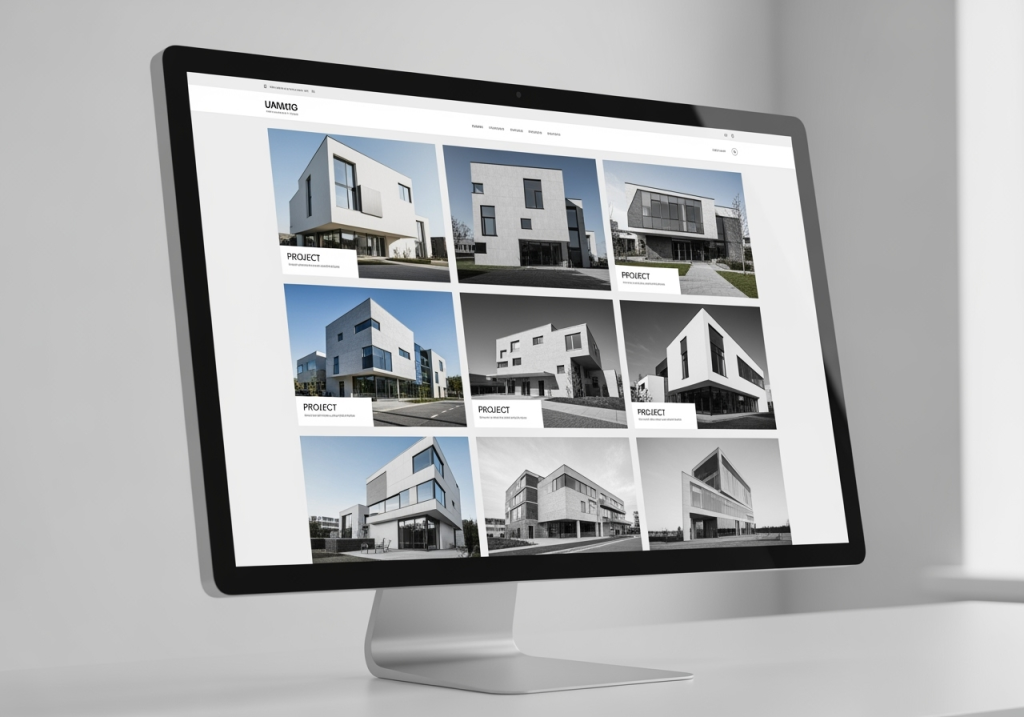
The power of web design cannot be overstated. As statistics suggest, a superior online presence can be a decisive factor for potential clients and collaborators.
The Global Giants: Must-Know Architecture and Design Platforms
In the vast ecosystem of architecture and design websites, a few stand out as true global giants. These platforms play a pivotal role in shaping architectural discourse, disseminating knowledge, and connecting a worldwide community. They cater to a broad spectrum of users, from seasoned professionals and aspiring students to passionate design enthusiasts, each offering unique value propositions.
ArchDaily: The World’s Largest Architectural Library
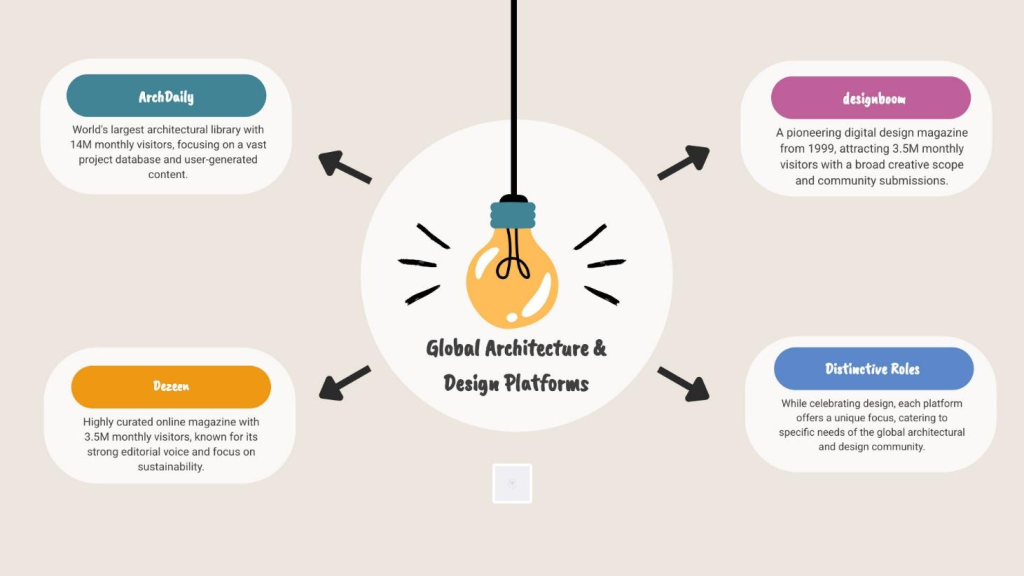
ArchDaily stands as a monumental resource, often cited as the world’s leading reference for architecture and design online. Founded in 2008, its mission is deeply rooted in improving the quality of life by providing inspiration and tools to architects globally.
- Audience: Professionals seeking project details, students conducting research, and enthusiasts looking for daily inspiration.
- Content: An unparalleled database of projects, daily news updates, insightful interviews with leading figures, and a comprehensive list of architectural competitions. They provide extensive overviews including information, plans, and photographs.
- Reach: With nearly 14 million monthly visitors, its influence is undeniable.
- Distinction: What sets ArchDaily apart is its sheer volume of content, its commitment to user-generated submissions, and its clear mission-driven approach. It’s a go-to for finding new projects, trends, and emerging architects worldwide.
Dezeen: The Curated Voice of Global Design
Dezeen has established itself as a highly influential and carefully curated online magazine. Launched in 2006, it offers a sophisticated take on architecture and design, with a keen eye for quality and innovation.
- Audience: Design-savvy professionals, trend-watchers, and those interested in the intersection of design, technology, and sustainability.
- Content: Features carefully selected news, in-depth articles, visually rich lookbooks, product showcases, and a robust job board. Their “Dezeen In Depth” newsletter often examines critical issues like the environmental impact of design.
- Reach: Attracting approximately 3.5 million monthly visitors, Dezeen’s global readership is significant.
- Distinction: Known for its strong editorial voice, high-quality journalism, and a consistent focus on cutting-edge design and sustainability, Dezeen is a benchmark for contemporary design excellence.
designboom: The Original Digital Design Magazine
A true pioneer, designboom was founded in Milan in 1999, making it one of the first digital platforms dedicated to design and architecture. It accepts a broad creative scope, often blending architecture with art and new technology.
- Audience: A diverse group including designers, artists, architects, and technology enthusiasts who appreciate a wide array of creative expressions.
- Content: Offers a vibrant mix of project features, interviews, art installations, technology breakthroughs, and actively encourages reader submissions, fostering a strong community feel.
- Reach: Like Dezeen, designboom commands a substantial audience with approximately 3.5 million monthly visitors.
- Distinction: Its long-standing presence, broad coverage of creative disciplines, and openness to community contributions solidify its position as a foundational resource in the digital design space.
These three platforms, while sharing a common goal of celebrating design, each offer a distinct flavor and focus, catering to different aspects of the architectural and design community’s needs.
Beyond the Headlines: Specialized and Niche Platforms
While the global giants provide a broad overview, the architecture and design world also thrives on specialized and niche platforms. These sites cater to more specific needs, offering deep dives into particular aspects of the industry, fostering communities, and driving innovation in focused areas. For professionals, these resources are invaluable for detailed research, product specification, networking, and staying abreast of granular trends.
For Product and Material Specification
When it comes to the tangible elements of design – the products and materials that bring a vision to life – specialized platforms become indispensable.
- Architonic: This platform is a powerhouse for product and material information. With over 16 million annual visits and a curated directory of more than 400,000 products, Architonic serves as a critical link between architects and manufacturers. It’s not just a directory; it’s evolving into a research and collaboration tool, integrating with popular design tools like Miro and Figma, allowing design teams to collaborate seamlessly on product selections.
- Archello: Described as a media outlet, social media site, and product & project catalog rolled into one, Archello aims to improve collaboration among industry professionals. It’s a comprehensive resource for finding products within the context of completed projects.
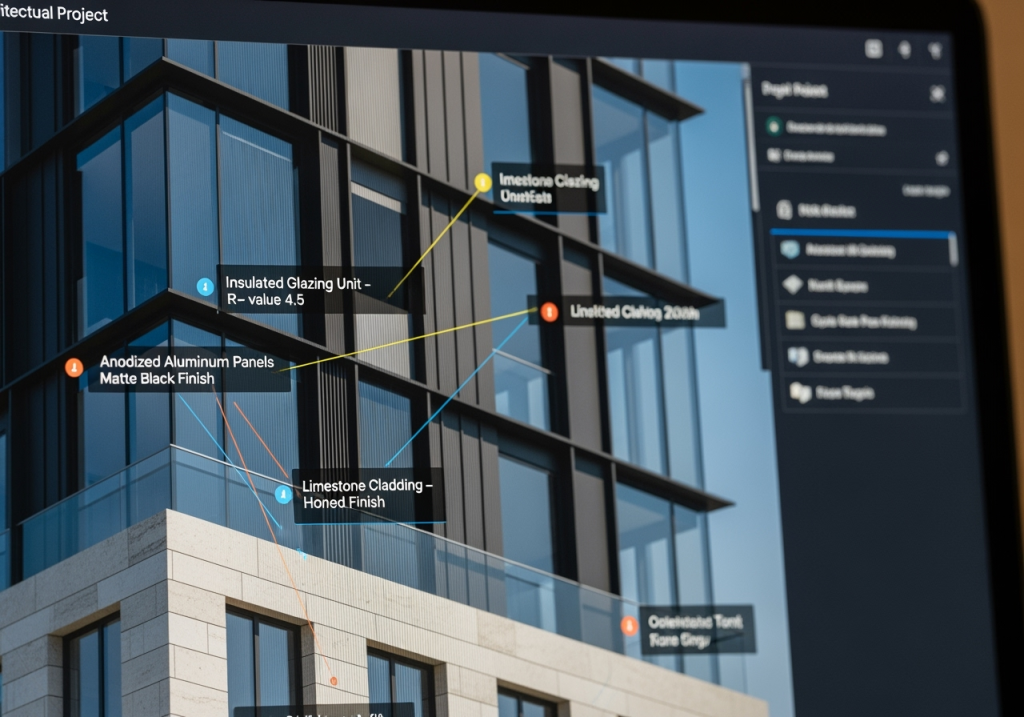
These sites are crucial for connecting architects with the right manufacturers and materials, often featuring detailed specifications and high-quality imagery that aids in the design and procurement process. The ability to tag products directly within project showcases on these platforms provides immense value for both designers and suppliers.
For Community, Jobs, and Networking
Networking and career development are vital in architecture. Several platforms excel at fostering community and providing professional opportunities.
- Architizer: Boasting one of the world’s largest architecture and construction product databases, Architizer is also renowned for its A+Awards, celebrating the best architecture globally. It serves as a major platform for project sharing and product findy, connecting architects with a vibrant network of peers and potential clients.
- Archinect: Created with the goal of making architecture more connected and open-minded, Archinect brings together designers from around the world to share new ideas. It’s well-known for its active job boards, forums, and academic insights, making it a valuable resource for career development and industry discourse.
- Archilovers: This international social network for architects and designers promotes social activity, communication, and new opportunities. With 450,000 monthly visitors and millions of members, it’s a dynamic space for showcasing work, connecting with peers, and expanding professional networks.
For Niche Inspiration and Trends
Beyond the strictly architectural, there are platforms that explore design in its broader cultural and lifestyle contexts, offering unique inspiration.
- The Cool Hunter: This webzine celebrates creativity in all its contemporary forms, from innovative architecture to art and lifestyle. It’s a source for finding thought-provoking and original projects across various creative disciplines.
- Core77: Launched in 1995, Core77 is the essential reference in industrial design. Its international readership, spanning students to accomplished professionals, is keen on exploring interesting new objects, products, and technologies.
- Design Milk: Both a magazine and an online store, Design Milk features the latest trends in art, architecture, interior design, furniture, décor, fashion, and new technology. It emphasizes sharing and supporting creativity, often with a commitment to social impact.
These specialized platforms demonstrate the rich diversity of the digital design world, each carving out a niche that serves distinct interests and professional needs.
Building Your Digital Presence: Leveraging Architecture Websites for Career Growth
For architects and designers, merely consuming content from these platforms is only half the story. Proactively engaging with them can significantly advance one’s professional journey. The shift from passive consumption to active participation is crucial for building a robust digital footprint and fostering career development.
Getting Your Work Published: A How-To Guide
One of the most effective ways to gain visibility is to get your projects featured on leading architecture and design websites. This often requires a strategic approach:
- High-Quality Photography: Visuals are paramount. Invest in professional photography that captures the essence and details of your work.
- Compelling Project Narratives: Craft a story around your project. Explain the challenges, the design philosophy, and the solutions you implemented. What makes it unique?
- Detailed Project Credits: Always provide comprehensive credits for all collaborators, consultants, and suppliers. This not only ensures accuracy but also demonstrates professionalism.
- Understand Submission Guidelines: Each platform has specific requirements. Adhering to these increases your chances of being featured.
- Highlight Innovation or Impact: Projects that address issues like sustainability, community engagement, or innovative material use often resonate more strongly.
- Choose the Location: Professional loft studio, well-equipped, well-lit, can make or break the session.
Being featured on a prominent site can provide incredible exposure, attract new clients, and establish your firm’s reputation on a global scale.
Best Practices for Your Own Studio’s Architecture Websites
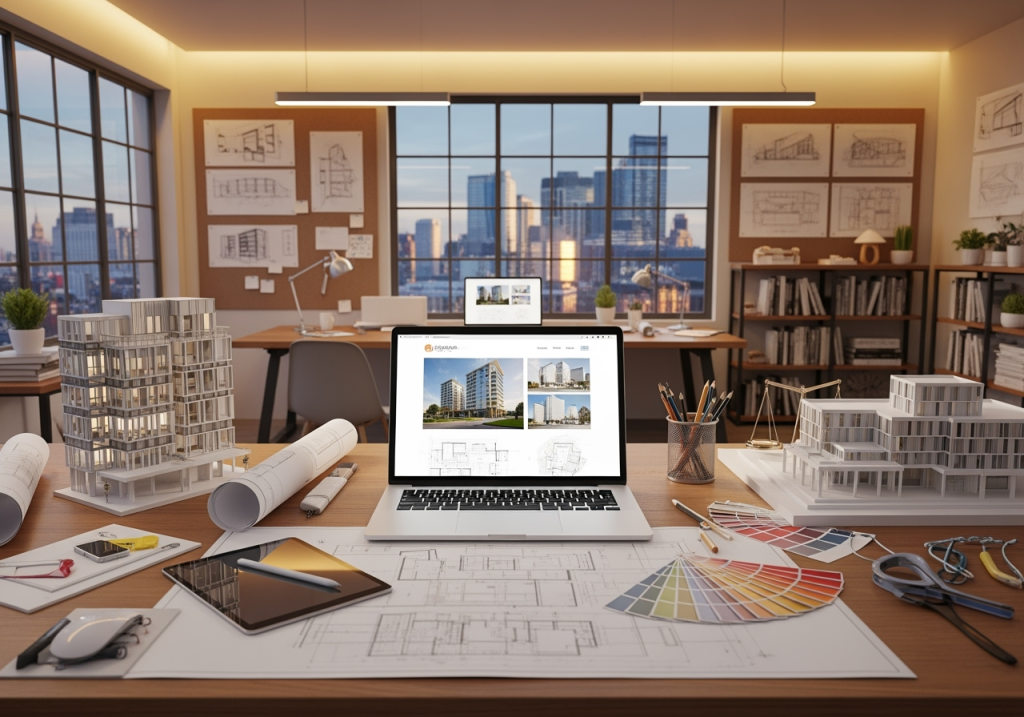
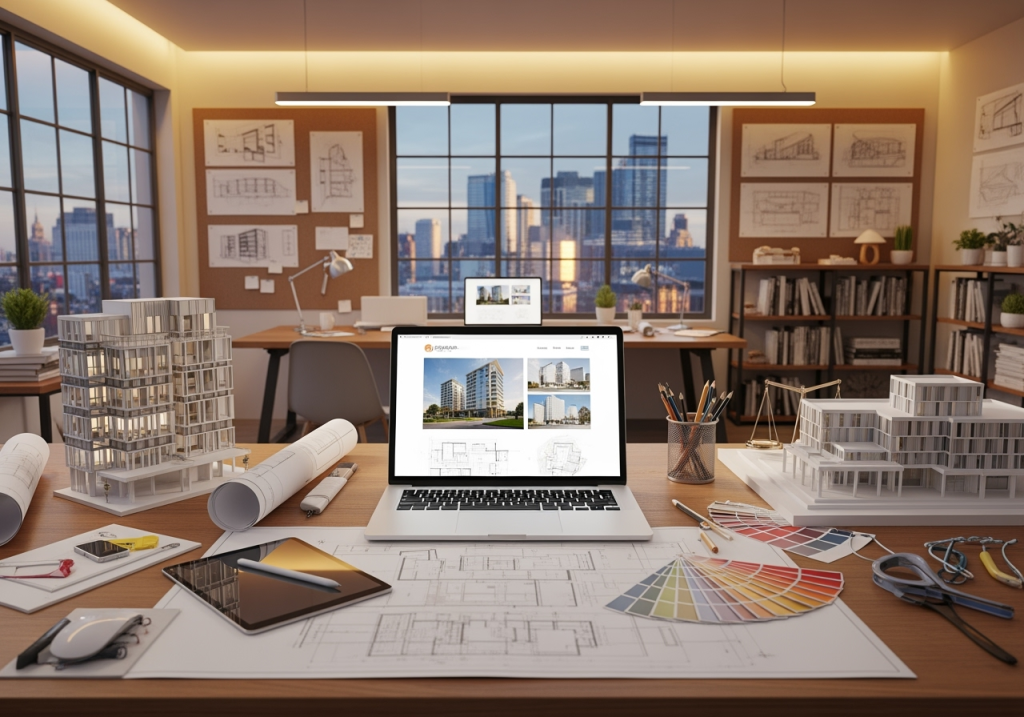
While external platforms offer broad reach, your own studio’s website remains the cornerstone of your digital presence. It’s your direct connection to potential clients and a reflection of your brand. To make it truly effective, consider these best practices:
- Professional Online Portfolios: Your website should serve as your ultimate portfolio, showcasing your best work with stunning visuals and clear project descriptions.
- Award-Winning Design Elements: Draw inspiration from the best. Many award-winning architect websites demonstrate excellence in minimalism, interactivity, and high-quality imagery. These sites often feature smooth animations, intuitive navigation, and a strong brand personality that immediately captivates visitors.
- Minimalism and Clarity: Let your work speak for itself. A clean, uncluttered design helps focus attention on your projects.
- Interactivity: Subtle animations, scroll effects, and interactive elements can improve user engagement without distracting from the content.
- High-Quality Imagery: Just like submissions to major platforms, your website needs exceptional photography.
- Strong Brand Personality: Your website is an extension of your studio’s identity. Ensure it reflects your values, aesthetic, and unique approach to design.
Crucially, building a beautiful website is only the first step. To ensure it reaches the right audience, it must be findable. This is where creating SEO-optimized architecture websites becomes essential. By implementing effective SEO strategies, your studio’s website can rank higher in search results, attracting more qualified leads and showcasing your expertise to a wider audience actively seeking architectural services.
Networking, Learning, and Finding Opportunities
Beyond showcasing projects, these websites offer numerous avenues for professional growth:
- Job Boards: Many leading platforms, like Archinect and Dezeen, host active job boards, connecting talent with opportunities worldwide.
- Competitions: Participating in design competitions, often listed on sites like ArchDaily, can provide valuable experience, recognition, and networking opportunities.
- Participating in Discussions: Community forums and comment sections offer spaces to engage with peers, share insights, and learn from others’ experiences.
- Following Trends: Regularly consuming content from these sites helps you stay updated on the latest trends in sustainability, innovation, technology, and design methodologies. This continuous learning is vital for remaining competitive and relevant in a rapidly evolving industry.
Frequently Asked Questions about Architecture and Design Websites
We often encounter common questions about navigating and utilizing the vast resources available online. Here are some of the most frequent inquiries:
Which architecture website is best for students?
For students, a multi-pronged approach is often best:
- Archinect: Excellent for community forums, school blogs, and job postings, providing a pulse on academic and professional life.
- ArchDaily: Invaluable for project research, case studies, and understanding contemporary architectural trends due to its extensive database.
- Dimensions.Guide: A unique and comprehensive reference database for dimensioned drawings of everyday objects and spaces, crucial for technical understanding and drafting.
How do these major architecture websites generate revenue?
These platforms employ various strategies to sustain their operations and grow:
- Advertising: Displaying ads from relevant brands and services.
- Sponsored Content: Publishing articles or features sponsored by companies, clearly marked as such.
- Product Directory Listings: Charging manufacturers for premium placement or detailed listings in their product databases (e.g., Architonic, Architizer).
- Job Boards: Fees for posting job openings.
- Premium Subscriptions: Offering improved features or exclusive content to paying subscribers.
- Awards Programs: Entry fees and sponsorship for prestigious awards like the Architizer A+Awards or Dezeen Awards.
What are the key trends in architecture website design for 2025?
The landscape of website design is constantly evolving, but several trends are prominent for 2025 in the architecture and design sector:
- Minimalism: Clean, uncluttered layouts that prioritize visuals and ease of navigation.
- High-Quality Imagery and Video: Stunning, large-format visuals and cinematic project videos are essential for showcasing architectural work.
- Subtle Animations and Interactive Elements: Gentle hover effects, smooth transitions, and interactive diagrams that improve user engagement without being distracting.
- Unique Scrolling Experiences: Creative use of vertical and horizontal scrolling to tell a project’s story or reveal a portfolio.
- Strong Brand Personality: Websites that clearly communicate a studio’s unique identity, values, and design philosophy through typography, color, and overall aesthetic.
- Sustainability and Accessibility Focus: Websites that not only feature sustainable projects but are also designed with environmental impact and accessibility in mind.
Conclusion: Designing Your Information Diet
The digital field offers an unparalleled wealth of resources for anyone passionate about architecture and design. From the expansive project archives of ArchDaily to the curated insights of Dezeen, the product specifications on Architonic, and the vibrant communities on Archinect and Archilovers, these platforms are more than just websites – they are ecosystems of inspiration, knowledge, and opportunity.
For professionals, students, and enthusiasts alike, understanding what each platform offers and how to leverage it is key to designing an effective information diet. Whether you’re seeking daily inspiration, researching materials for a new project, looking for career opportunities, or aiming to showcase your own groundbreaking work, these online destinations provide the tools and connections you need. By actively engaging with these sites and thoughtfully crafting your own digital presence, you can ensure your design dreams not only come true but also inspire others in the process.
Networking, Learning, and Finding Opportunities
Beyond showcasing projects, these websites offer numerous avenues for professional growth:
- Job Boards: Many leading platforms, like Archinect and Dezeen, host active job boards, connecting talent with opportunities worldwide.
- Competitions: Participating in design competitions, often listed on sites like ArchDaily, can provide valuable experience, recognition, and networking opportunities.
- Participating in Discussions: Community forums and comment sections offer spaces to engage with peers, share insights, and learn from others’ experiences.
- Following Trends: Regularly consuming content from these sites helps you stay updated on the latest trends in sustainability, innovation, technology, and design methodologies. This continuous learning is vital for remaining competitive and relevant in a rapidly evolving industry.
Frequently Asked Questions about Architecture and Design Websites
We often encounter common questions about navigating and utilizing the vast resources available online. Here are some of the most frequent inquiries:
Which architecture website is best for students?
For students, a multi-pronged approach is often best:
- Archinect: Excellent for community forums, school blogs, and job postings, providing a pulse on academic and professional life.
- ArchDaily: Invaluable for project research, case studies, and understanding contemporary architectural trends due to its extensive database.
- Dimensions.Guide: A unique and comprehensive reference database for dimensioned drawings of everyday objects and spaces, crucial for technical understanding and drafting.
How do these major architecture websites generate revenue?
These platforms employ various strategies to sustain their operations and grow:
- Advertising: Displaying ads from relevant brands and services.
- Sponsored Content: Publishing articles or features sponsored by companies, clearly marked as such.
- Product Directory Listings: Charging manufacturers for premium placement or detailed listings in their product databases (e.g., Architonic, Architizer).
- Job Boards: Fees for posting job openings.
- Premium Subscriptions: Offering improved features or exclusive content to paying subscribers.
- Awards Programs: Entry fees and sponsorship for prestigious awards like the Architizer A+Awards or Dezeen Awards.
What are the key trends in architecture website design for 2025?
The landscape of website design is constantly evolving, but several trends are prominent for 2025 in the architecture and design sector:
- Minimalism: Clean, uncluttered layouts that prioritize visuals and ease of navigation.
- High-Quality Imagery and Video: Stunning, large-format visuals and cinematic project videos are essential for showcasing architectural work.
- Subtle Animations and Interactive Elements: Gentle hover effects, smooth transitions, and interactive diagrams that improve user engagement without being distracting.
- Unique Scrolling Experiences: Creative use of vertical and horizontal scrolling to tell a project’s story or reveal a portfolio.
- Strong Brand Personality: Websites that clearly communicate a studio’s unique identity, values, and design philosophy through typography, color, and overall aesthetic.
- Sustainability and Accessibility Focus: Websites that not only feature sustainable projects but are also designed with environmental impact and accessibility in mind.
Conclusion: Designing Your Information Diet
The digital field offers an unparalleled wealth of resources for anyone passionate about architecture and design. From the expansive project archives of ArchDaily to the curated insights of Dezeen, the product specifications on Architonic, and the vibrant communities on Archinect and Archilovers, these platforms are more than just websites – they are ecosystems of inspiration, knowledge, and opportunity.
For professionals, students, and enthusiasts alike, understanding what each platform offers and how to leverage it is key to designing an effective information diet. Whether you’re seeking daily inspiration, researching materials for a new project, looking for career opportunities, or aiming to showcase your own groundbreaking work, these online destinations provide the tools and connections you need. By actively engaging with these sites and thoughtfully crafting your own digital presence, you can ensure your design dreams not only come true but also inspire others in the process.
