


Ultrasound skin tightening treatments have become a popular non-invasive option for people looking to firm sagging skin, smooth wrinkles, and achieve a more lifted appearance without surgery. Among the choices, Ultherapy and its latest iteration, Ultherapy Prime, stand out for their unique delivery of ultrasound energy with real-time imaging capabilities. But what makes imaging such a big deal in this treatment? Why should you care about seeing “under the skin” during your session? Let’s unpack the technical layers, safety features, and actual treatment targets behind the hype.
Surface Tightening vs Dermal Tightening vs Structural Lifting
One of the biggest points of confusion — and marketing spin — is lumping all skin tightening into a single bucket. Different treatments affect different layers of the skin and underlying tissue. It’s crucial to know what layer you are actually treating because results and downtime vary.
Surface Tightening
This targets the topmost epidermis and superficial dermis, improving skin texture and possibly brightness. Think of treatments like fractional lasers or light-based devices. They usually focus on collagen remodeling in the shallow dermis with mild heat.
Dermal Tightening
This penetrates deeper into the dermis to stimulate collagen and elastin production. The dermis is thicker beneath the surface and responsible for skin’s elasticity and strength. Radiofrequency (RF) devices commonly work here, but their depth is limited by heat diffusion and safety concerns.
Structural Lifting
This is the key difference with ultrasound skin tightening devices like Ultherapy. They target the SMAS (Superficial Muscular Aponeurotic System) layer, which plastic surgeons physically lift in surgical facelifts. By tightening this structural layer, you achieve a natural, longer-lasting lift rather than just surface firmness.
The SMAS lies roughly 4.5 mm beneath the skin surface and acts as an anchor layer between skin and muscle. Accurately reaching this layer separates high-end ultrasound treatments from superficial devices that only warm the skin.
Ultherapy MFU-V and the Power of Real-Time Imaging
Ultherapy employs Micro-Focused Ultrasound with Visualization (MFU-V). The “with Visualization” part is what truly sets it apart from many other devices. Real-time imaging provides a live ultrasound picture of your own anatomy, letting the practitioner see the layers of your skin and tissue before activating the ultrasound beams.
Why is Real-Time Visualization Important?
- Precision targeting: The provider can confirm the exact depth of each region and adjust the energy focus accordingly. This tailored approach avoids wasting treatment on non-target layers.
- Safety: Seeing blood vessels, bone contours, and other structures reduces risk of injury and unintended nerve stimulation.
- Anatomy variability: Every person’s face is different. The imaging helps adapt to unique tissue thickness and facial bone shape.
Without imaging, energy placement Home page can feel more “blind” and less consistent. This could lead to uneven results or insufficient tightening.
Introducing Ultherapy Prime
Ultherapy Prime is the newer generation device mentioned on select clinic pages, which offers enhanced imaging resolution and improved transducer technology. It maintains the core MFU-V principle but with optimized delivery and user ergonomics. While neither Ultherapy nor Ultherapy Prime providers commonly publish pricing in SGD transparently online, many patients rightly expect this clarity to plan consultations and budgets.
Depth Targeting & the Importance of the SMAS Layer
The effectiveness of ultrasound skin tightening hinges on reaching the right depth. Ultherapy’s transducers target at standardized depths (1.5mm, 3mm, and 4.5mm), penetrating through:
Each depth has a different therapeutic goal.

Reaching the SMAS is not possible with many RF-based devices due to their limited energy penetration and risk of overheating the skin. Ultrasound, being a mechanical wave, can be focused precisely at this depth without damaging surface skin.
RF Heating vs Ultrasound: Limits of Collagen Stimulation
Radiofrequency (RF) skin tightening devices dominate much of the market for non-invasive wrinkle reduction and tightening. However, RF energy is absorbed mostly by water molecules in the skin and induces heat up to about 2-4 mm depth. The treatment induces short-term collagen contraction and delayed new collagen formation but does not reliably reach the SMAS.
In contrast, Ultherapy uses highly focused ultrasound waves to cause precise micro-injuries at target depths, initiating a controlled wound healing cascade and collagen neogenesis. This process can lift and tighten more deeply without the thermal diffusion that limits RF.
Both technologies stimulate collagen, but the ability to tune depth and visualize in real-time gives Ultherapy a technical advantage for structural lifting.
What You Should Look for in a Clinic Offering Ultrasound Skin Tightening
- Real-time visualization capability: Ensure the clinic uses genuine MFU-V technology to see your anatomy during treatment.
- Clear consultation about treatment layers: Ask which depths are targeted and why.
- Pricing transparency: Beware of clinic pages without pricing in SGD — this often leads to surprise quotes or requires lengthy consultations just to get ballpark figures.
- Education on downtime and side effects: Look for clinics that discuss expected soreness, swelling, or redness honestly rather than claiming “no downtime.”
Summary: Why Imaging Makes All the Difference
Imaging turns ultrasound skin tightening from a “shot in the dark” into a precise, personalized treatment. With real-time visualization, providers can:
- Adapt to each individual’s variable facial anatomy
- Safely avoid sensitive structures
- Target the correct depth — especially the important SMAS layer
- Deliver consistent, effective, natural-looking lifts
Without imaging, the energy risks heating the wrong layer, leading to suboptimal results or even complications.
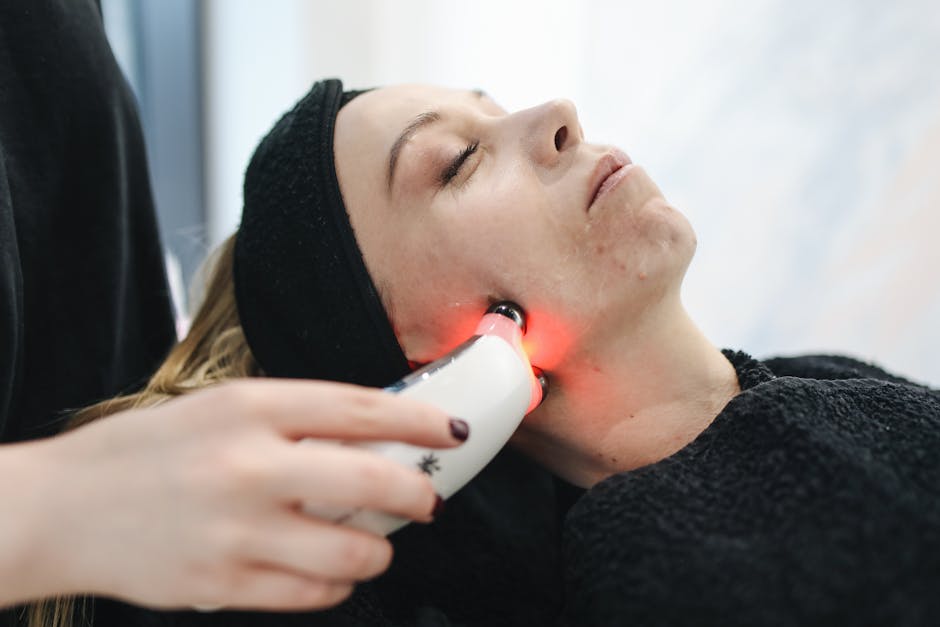
If you’re considering ultrasound skin tightening, understanding the difference that real-time imaging brings to the table is key to getting **safe, precise, and effective treatment** — not just hype. Lastly, make sure your clinic discusses all costs upfront in SGD and answers your questions about layers and outcomes transparently. Your skin — and wallet — will thank you.
