


In today’s fast-moving digital world, speed and simplicity in payments matter more than ever. Whether you’re buying a new game on an app store or subscribing to a digital content platform, you want to check out quickly without hassle. Does Private Medical Insurance Cover Pre-Existing Conditions in the UK? This is where direct carrier billing (DCB) comes in—a payment method designed for mobile-first experiences and fewer abandoned carts.
What Is Direct Carrier Billing?
Direct carrier billing (DCB) lets you charge digital purchases directly to your https://legacystance.com/frictionless-payments-the-rise-of-pay-by-phone-transactions-in-digital-commerce/ mobile phone bill. Instead of entering card details or logging into a bank account, you tap a few buttons and your mobile network provider adds the amount to your monthly phone bill or deducts it from your prepaid balance. It’s a quick way to pay using just your phone number.
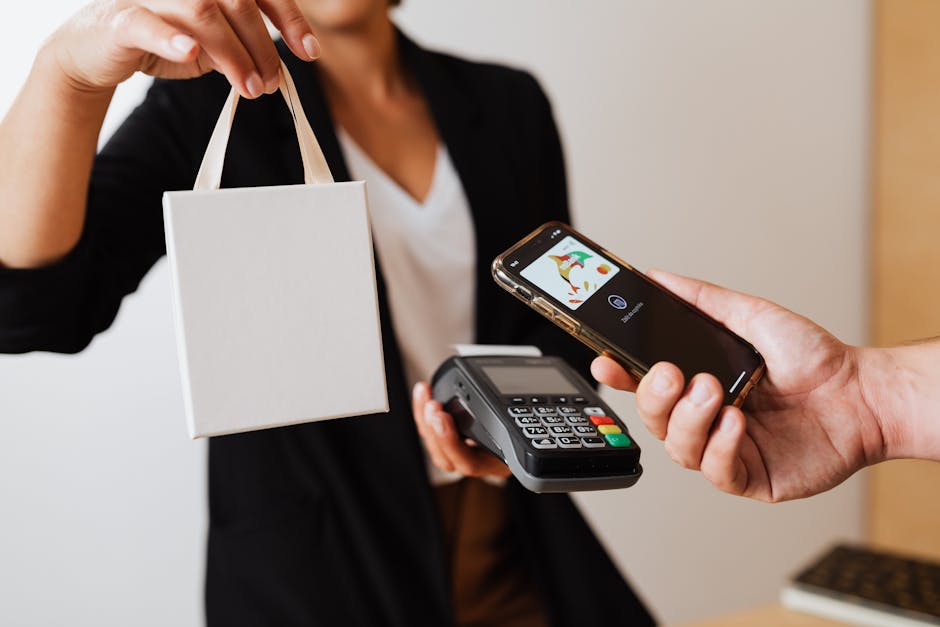
DCB payments are especially useful for buying digital goods like apps, games, subscriptions, or premium content on Apple Pay and Google Pay compatible services, in app stores, and on various digital content platforms.
Why Is Direct Carrier Billing Growing in Popularity?
The payment landscape is shifting. Many users prefer alternative payment methods to traditional credit or debit cards. Here are a few reasons why:
- Faster checkout and fewer abandoned carts. Less typing and fewer steps mean buyers finish purchases quicker.
- Ideal for mobile-first UX. Designed for small screens and quick taps.
- Easy access. No need for card details, making it useful for unbanked or underbanked users.
- Integrated with mobile network providers. Your phone number acts as your payment ID.
How Does Direct Carrier Billing Work?
Let’s break down what happens when you use DCB to pay for an app or digital content:
This flow is designed for speed and simplicity—no need to enter long card numbers or passwords. What does the user tap next? “Confirm purchase,” and then they’re done.
The Role of Mobile Network Providers
DCB’s magic is tied to the mobile network provider. They handle billing and manage the payment behind the scenes. The provider also ensures security and compliance, working with merchants and payment platforms to approve transactions.
Because the network controls billing, it helps reduce fraud and improve trust. However, it’s vital to know what data is shared. Typically, only your phone number and purchase details are used for billing. Sensitive personal information or full payment card data is not shared with merchants, preserving your privacy.
Mobile-First Payment Experience
Direct carrier billing is built for mobile screens, where every tap counts. Unlike filling long forms on tiny keyboards, DCB reduces friction by:
- Using your phone number as a payment ID
- Minimizing text input
- Quick carrier-side approval with minimal user action
- Integrating natively into app stores and digital content platforms
By focusing on small-screen design, DCB helps reduce cart abandonment. The easier and faster the payment, the more likely users complete their purchase.
Direct Carrier Billing Compared to Other Payments
The Shift from Cards to Alternative Payments
Card payments have long been the default online. But several factors are driving a shift towards alternatives like DCB:
- Global mobile penetration: Many users worldwide have mobile phones but not bank accounts.
- Security concerns: Card theft and fraud are ongoing challenges.
- Checkout simplicity: Card forms are clunky on small screens.
- Consumer preference: Younger generations favor faster, mobile-native methods.
Organizations like GSMA, which represents mobile network operators worldwide, advocate for secure and standardized DCB implementations. Their guidelines help carriers and merchants create smooth, trusted payment experiences.
Common Use Cases for Direct Carrier Billing
DCB payments are most effective with digital goods, content, and services that users want on mobile devices:
- App stores: Buying apps or in-app content on Android and iOS platforms.
- Digital content platforms: Streaming music, video subscriptions, or eBooks.
- Gaming: Purchasing virtual currency or downloadable content.
- Microtransactions: Small-value purchases under $20 to keep the experience lightweight.
Is Direct Carrier Billing Secure?
Security is often a concern with any new payment method. Direct carrier billing uses multiple layers of protection:
- Carrier-level account authentication
- Transaction monitoring to detect fraud
- Data minimization (only phone number and purchase info shared with merchants)
- Integration with trusted platforms like Apple Pay and Google Pay, which add biometric and tokenized layers
However, users must be aware that charges appear on their phone bill. Unauthorized purchases can happen if devices are lost or stolen, so secure your phone as you would a wallet.
The Future of Direct Carrier Billing
Mobile-first commerce is growing. Mobile network providers, app stores, and digital content platforms are collaborating to expand DCB’s reach. Enhancements include: Suprmind for Founders – Can It Challenge My Strategy Idea?

- Deeper integration with wallets like Apple Pay and Google Pay
- Simpler omni-channel experiences combining web and mobile
- Expanded support for subscriptions and recurring billing
- Better fraud detection powered by AI
GSMA continues to push for standards that protect users while enabling innovation. This keeps DCB a viable option for emerging markets and tech-forward regions alike.
Summary: Why Use Direct Carrier Billing?
- Faster checkout: Less typing, fewer friction points.
- Mobile-first design: Optimized for small screens and quick taps.
- Alternative to cards: No bank account needed.
- Trusted by major players: Works seamlessly with Apple Pay, Google Pay, app stores, and digital content platforms.
- Secure charges: Your mobile network provider handles billing and authentication.
If you’re a merchant or platform looking to reduce cart abandonment and embrace mobile payments, direct carrier billing (DCB) deserves a close look. For consumers, it offers a fast, simple, and secure way to pay using just your phone.
