


Yes. Bring your Rolex service records if you have them.
They may not add a fixed amount to the offer, and they do not replace an in-person inspection. But rolex service center records, dated service receipts and related paperwork can help an evaluator understand what has been done to the watch. That can make for a smoother evaluation visit—especially when you are working against a deadline.
In Miami, deadlines have a way of showing up with a calendar attached. Maybe you are selling an unworn watch to fund one you will actually wear. Maybe a buyer wants an answer before Art Week gets busy. Or maybe you are weighing a sale against using the watch as collateral for a short-term cash need.
Here is what to bring, what records can—and cannot—do for your price, and how to make a decision without rushing into a deal you will miamivibesmag.com regret.
Why service records matter when you sell a Rolex
A Rolex is a liquid luxury asset in the sense that there is an established secondary market and recognizable demand for many models. “Liquid” does not mean instant cash at any price. The offer depends on the specific reference, condition, completeness, market demand and the buyer’s assessment of risk.
Service documentation can help reduce uncertainty. A receipt from an authorized Rolex service center, for example, may show when the watch was serviced and what work was performed. An independent watchmaker’s invoice can also be useful, particularly if it identifies the watch, date and work clearly.
Records are supporting evidence, not a price tag. They do not guarantee that the watch is genuine, that every part is original, or that it will sell for more. A qualified evaluator still needs to inspect the watch itself.
What documentation can tell an evaluator
- Service history: Whether the watch has been serviced and when.
- Work performed: Whether the movement, bracelet or other components were repaired, replaced or adjusted.
- Continuity: Whether the paperwork appears consistent with the watch’s identity and your account of its history.
- Care and ownership context: Receipts and dated records may help explain how the watch has been maintained.
That context matters because two watches with the same reference number can have different conditions and different market appeal. One may be complete and well kept; another may need service or have replaced parts that affect its desirability.
Which Rolex records should you bring?
Bring what you have, not just what you think will impress the buyer. A neat, complete packet makes it easier to review the watch and can prevent avoidable back-and-forth.
- Rolex service center records: Service invoices, estimates, warranty information and any documents describing work completed.
- Independent watchmaker receipts: Ideally, paperwork with the date, watch details and a clear description of the work.
- Original purchase documents: The sales receipt or invoice, if available.
- Warranty card and box: Bring these if you have them. They can help establish completeness, though the watch is still evaluated on its own merits.
- Previous appraisals: Useful as background, but an older appraisal is not a current market offer.
- Bracelet links and accessories: Bring extra links, tags and other pieces that came with the watch.
If a document names a previous owner, do not alter it. Ask the evaluator how they handle personal information. You can also ask whether they need to retain a copy or only review the original.
What if you do not have the records?
Do not assume that a missing service receipt makes the watch unsellable. Many sellers do not have every document, particularly if the watch was inherited, purchased pre-owned or kept for years.
Be straightforward about what you know. Say when it was last serviced if you can verify that, and distinguish a confirmed date from a guess. An on-site authentication and valuation can assess the watch directly. The absence of paperwork may mean the buyer has less history to rely on, but the effect on any offer depends on the watch and the market—not on a universal penalty.
Do service receipts help you get a higher offer?
Sometimes they help the evaluation; they do not automatically increase the offer.
A recent, well-documented service may reassure a buyer about maintenance or help explain the watch’s condition. But service costs are not necessarily recovered dollar for dollar when you sell. The market may value the reference, condition and demand more than the amount spent on maintenance. A replaced component can also matter differently depending on the model and what collectors expect.
That is why it is worth asking the evaluator to explain the offer in practical terms. Is the number based on condition, completeness, service needs or current resale demand? If a specific part or service issue affects the valuation, ask them to point it out. A clear explanation is more useful than a vague claim that the watch is “worth less.”
Check public secondary-market pricing before you go
Before an appointment, use secondary-market price checks that track publicly visible listings or transactions. These tools can help you understand the range people are asking—or, where available, the prices at which watches have reportedly sold.
Keep the comparison tight. Look for the same reference, similar condition, comparable completeness and a similar sales channel. A polished, full-set example listed by a dealer is not automatically comparable to a watch with missing links being sold directly to a buyer.
Use the numbers as a reference point, not a promise. Asking prices are not necessarily completed-sale prices. Public data can also lag behind a fast-moving market. And a dealer’s purchase offer is not the same as a retail listing: the buyer needs room for authentication, possible service, operating costs and resale risk.
What happens at an on-site authentication and valuation?
An on-site assessment usually combines document review with a physical inspection. The evaluator may examine the case, dial, bracelet, movement and identifying details, then consider condition, originality and the paperwork you brought.
Ask in advance whether the shop performs authentication and valuation on-site, how long the appointment takes, and whether there is a fee. Also ask what identification or ownership information is required. Those questions are better settled before you are standing at the counter with a time-sensitive decision.
For a high-value watch, choose a professional business setting. Do not arrange a parking-lot meetup to save a few minutes. A secure, documented transaction is part of the value of selling locally, whether you are meeting a specialist in Coral Gables or elsewhere in Miami.
A practical appointment checklist
Selling an unworn Rolex to fund a better fit
Sometimes the sensible move is not to keep the watch simply because it is a Rolex. If it spends its life in a safe while you wear something else, selling it can turn a valuable item into money for a watch that fits your taste, wrist or day-to-day life better.
That is a personal decision, not a market trick. Compare the net offer—not just a public listing price—with the cost of the watch you actually want. Leave room for any difference in condition, taxes, fees or future service. And avoid treating a hoped-for resale number as money already in your account.
Service records help tell the story of the watch you are selling. They are useful when they are accurate and relevant, but they should not push you into a quick sale at a number you have not thought through.

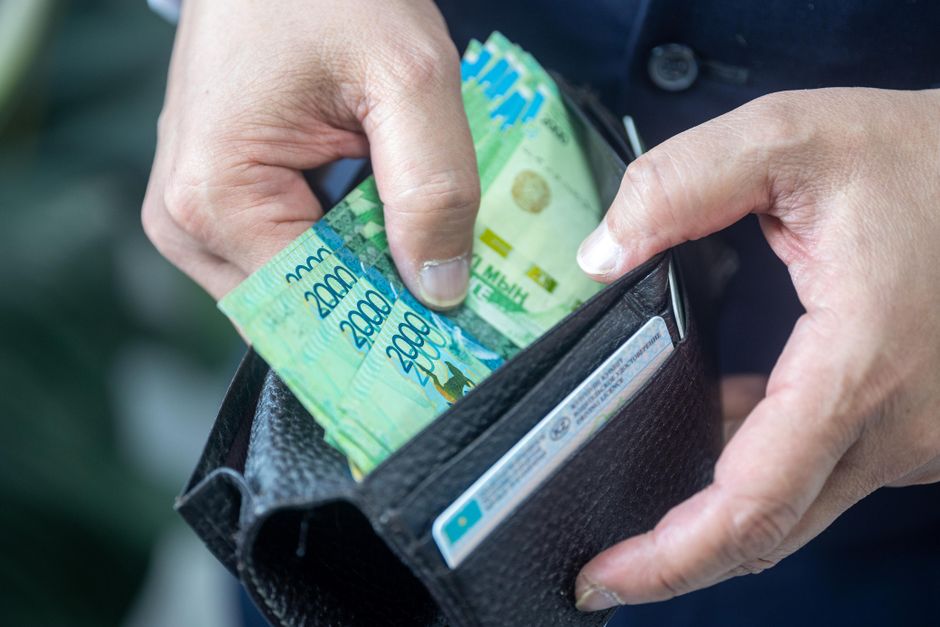
Could you use the watch as collateral instead?
If you need cash temporarily but do not want to part with the Rolex, ask whether a reputable lender offers a watch-backed loan. Collateral lending can be an alternative to selling, but it is not free money. You are borrowing against an asset and must repay according to the agreement to get the watch back.
Before signing, get the total repayment amount, due date, fees, storage and insurance terms, and the consequences of missing a payment in writing. Ask how the watch is valued and how long the offer is valid. Do not borrow more than you can realistically repay. If the timeline or terms do not work, selling may be cleaner than risking the watch over an unaffordable loan.
In other words: a loan can preserve ownership if the need is brief and repayment is certain. A sale can be simpler if you are ready to let the watch go. The right choice depends on the deadline and the cash flow—not on the romance of “unlocking value.”
Art Week: time pressure is real, but so is your leverage
During Art Week, the calendar can compress quickly. You may be trying to make a purchase before an event, settle a transaction while visitors are in town, or decide whether your watch can help fund a time-sensitive buy. That urgency can make a clear process valuable.
Plan the evaluation before the final day. If you need an answer by Sunday, ask when the watch can be inspected, whether the offer is held until Sunday, and what could change the number. Get the deadline in writing. A verbal “we can probably hold it” is not a plan.
Your buying power is the amount you can actually use after the offer is finalized and payment clears. Do not commit to another purchase based on an estimate that still depends on authentication, a later inspection or an uncertain payment date.
And remember: time pressure does not require you to accept an unexplained offer. A prepared seller with service documentation, comparable market checks and a clear minimum number is in a stronger position to make a quick decision.
Bottom line: bring the records, then judge the whole offer
Bring your Rolex service records, receipts and accessories. They can support the watch’s history, answer useful questions and make for a smoother evaluation visit. But the records do not guarantee a higher price, and a missing receipt does not automatically end the conversation.
Use public secondary-market pricing to set expectations, then get an on-site authentication and valuation from a professional. Compare the actual offer with your options: keep the watch, sell it to fund a better fit, or use it as collateral only if the repayment terms are manageable.
Most important, put the deadline and the numbers on the table. If the offer is held until Sunday, know exactly what that means. A Rolex can be liquid in the right circumstances. Your decision should be just as clear.
