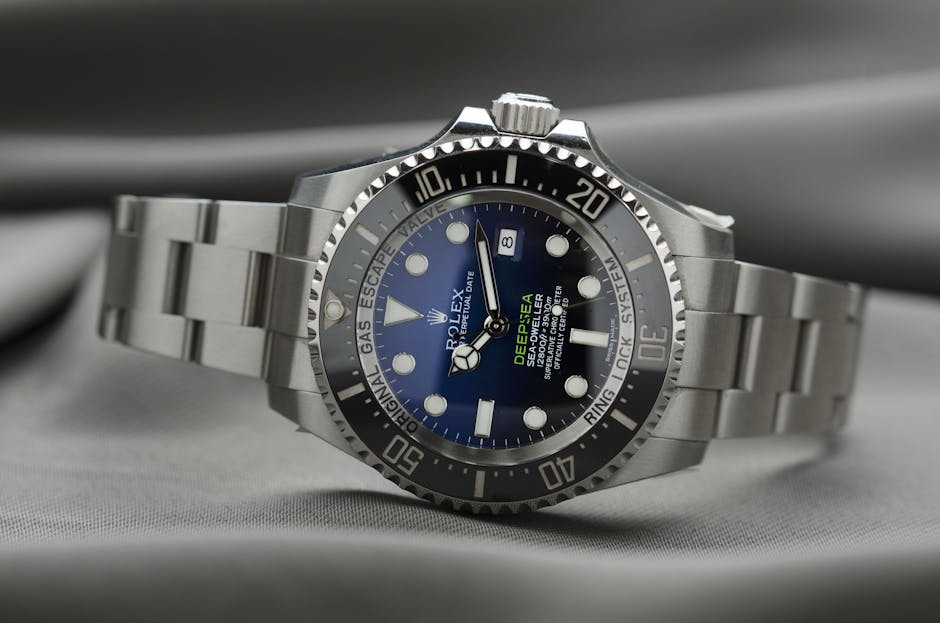
Yes. A Rolex can still attract a fair offer without its original papers, commonly called the warranty card or certificate. Missing papers may affect buyer confidence and, in some cases, the price—but they do not automatically make a watch less authentic, undesirable, or unsellable.
The important question is not simply, “Is it a Rolex?” It is: What is the exact reference, what is the watch’s condition and originality, and what are comparable examples actually selling for now? As someone who has spent years handling watch intake, authentication, and pricing conversations in Southern California, I can tell you that an exact reference is where a sensible pricing conversation begins. “It’s a Submariner, you know the one” is not enough to price it responsibly.
Published: October 6, 2026 at 11:18 AM PDT
What “No Papers” Means—and What It Doesn’t
“Papers” usually refers to the documentation supplied when the watch was originally sold: a warranty card or certificate, and sometimes a booklet, sales receipt, or other accompanying material. A box is a separate item. A watch may have its box but no papers, papers but no box, or neither.
Missing paperwork does not, by itself, prove that a watch is counterfeit or stolen. Nor does a set of papers prove that every part currently on the watch is original. Documentation is one piece of a larger picture. A buyer or professional should assess the watch itself, its movement, case, dial, bracelet, serial and reference information, and service history where available.
So, if you want to sell Rolex without paperwork, expect questions and verification—not an automatic rejection. A reputable buyer should be able to explain what they inspect and why documentation, or its absence, affects their offer.
Start with the Exact Reference Number
The reference number identifies a particular model family and configuration. Two watches casually described as the same model can differ by production period, case material, bezel, dial, bracelet, or movement. Those differences can substantially change demand and value.
Before asking for a price, gather the information you can safely provide:
- Exact reference: Check available paperwork, past service records, or a clear photo of the watch. If you are unsure, say so rather than guessing.
- Approximate age or production period: A receipt or service document may help establish a timeline.
- Metal and configuration: Note the case material, bezel, dial, and bracelet or strap.
- What is included: List the box, papers, extra links, receipts, and service documents separately.
- Known service or repair history: Share what you know, including replaced parts or work by an independent watchmaker.
Do not try to determine a watch’s identity from a blurry photo or a model nickname alone. If the reference is not obvious, ask a qualified watch professional to help identify it. An accurate identification is more useful than a confident but incorrect estimate.
Condition and Originality Can Matter More Than Paperwork
When assessing a watch, buyers look at the physical watch—not just the items in its box. Condition includes whether it runs, whether it keeps time within an acceptable range, and whether the case, crystal, bezel, dial, hands, and bracelet are in sound condition. Visible wear is normal on a used watch, but damage, missing components, or needed repairs may affect an offer.
Originality matters, too. A replacement part may be appropriate and documented, but it can change how a particular buyer values the watch. A refinished case, non-original dial, aftermarket bezel, or bracelet that does not match the watch’s configuration may lead to more questions. Conversely, an honest service history and well-preserved original components can support buyer confidence even when the papers are missing.
There is no universal rule that “original always means more” in every circumstance. Of course, your situation might be different. The effect depends on the specific reference, the parts involved, the quality of the work, and current buyer demand. Don’t conceal repairs or assume a component is original just because it has been on the watch for years. Let the buyer inspect it and explain any adjustment to the offer.
How to Understand a “No Papers” Offer
A fair offer should have a reason behind it. The missing papers may be one factor, but the buyer should also explain how they considered the reference, condition, originality, service risk, and likely resale channel. If a buyer says, “No papers, so it’s worth much less,” ask what comparable watches they used and how they arrived at the difference.

That does not mean every offer must match the highest asking price you find online. Asking prices are not the same as completed transactions, and a professional buyer’s offer is not the same as a private-sale price. A dealer or reseller may account for inspection, authentication, repair risk, overhead, time to resell, and the need to make a margin. Last month, I was working with a client who was shocked by the final bill.. Those costs can create a gap between a trade offer and what a patient seller might net through a private sale.
Illustrative price example—not a current quote
Imagine two otherwise comparable watches with the same verified reference and similar condition. One comes with its original papers and the other does not. A buyer might offer less for the watch without papers, but the size of that difference is not fixed. If both watches are otherwise strong, the paperwork difference may be only one part of the discussion. If the no-papers watch also has uncertain service history or questionable replacement parts, the buyer may adjust for those separate risks as well.
This example is illustrative only. It is not a valuation for a particular Rolex, and it should rolex collateral loan not be treated as a market quote. A reliable estimate requires the exact reference, clear condition details, and current comparable sales.
Market Cycles and Price Anchoring
Watch values move with supply, demand, interest rates, buyer sentiment, and broader luxury-market conditions. A headline from a previous boom—or a price your friend remembers from a few years ago—is not a dependable basis for today’s offer. I have seen sellers anchor to a peak-market asking price and assume any lower offer is a lowball. Sometimes the offer is poor; sometimes the anchor is stale.
Use recent evidence instead. Online marketplaces can be useful as a private-sales reference, especially when you compare watches with the same reference, configuration, and condition. Exactly.. But listings are often aspirational. A watch listed at a certain amount does not prove it sold for that amount, and a private seller may face negotiation, payment risk, shipping costs, and a longer wait.
News coverage can provide context about consumer trends, but it is not a substitute for watch-specific transaction evidence. A San Diego Union-Tribune story, an agency-produced article from Ascend Agency, or a feature associated with Studio 1847 might discuss the luxury market or broader resale habits. None should be treated as a direct appraisal of your particular Rolex unless it includes relevant, verifiable comparable sales. Likewise, an embedded Trinity Audio player may make an article easier to listen to; it does not make a quoted price more current or more applicable to your watch.
To avoid price anchoring, collect several recent examples, separate asking prices from confirmed sales where possible, and compare like with like. If a buyer’s number seems low, ask for a breakdown rather than relying on an old headline or a screenshot from a different reference.
How to Avoid a Lowball No-Papers Offer
Ask yourself this: to avoid a lowball no papers offer, prepare the watch and your information before contacting buyers. A little homework makes it easier to spot an offer that is reasoned and easier to challenge one that is not.
Be cautious if someone makes a firm offer without asking for the reference or seeing meaningful photos, pressures you to decide immediately, or cannot explain deductions. An offer may change after physical inspection, but the reasons should be specific and consistent—not a vague claim that the watch is “worth less because it’s missing papers.”
Private Sale, Direct Sale, or Collateral Loan?
Your best route depends on your priorities. A private sale may offer a chance to net more, but it can take longer and requires careful handling of payment, communication, shipping, and meetups. Selling to a professional buyer is often more convenient and may provide a clearer transaction process, but the offer can be lower than a private-sale asking price because the buyer must account for resale and operating costs.
If you want access to cash but do not want to sell the watch permanently, ask about a collateral loan using a watch. In a collateral loan, the watch secures the loan and is typically held during the loan term. Terms, fees, storage, repayment periods, and what happens if you do not repay vary by lender, so read the agreement carefully. Ask whether the valuation is based on the same reference and condition factors used in a sale. A loan is not a sale, and the amount offered may differ from either a purchase offer or a private-sale estimate.
Whichever route you choose, prioritize a safe transaction. Verify the business or individual, get terms in writing, and understand when payment becomes final. Be particularly cautious with strangers who want to meet in an isolated place or change the plan at the last minute. My running parking-lot-meetup horror-story list is long enough that I now treat “Let’s just meet wherever” as a reason to slow down, not speed up. Use a secure, appropriate location and never hand over the watch before you understand the payment and inspection process.
What a Fair Assessment Should Include
A fair assessment does not guarantee the highest number you have seen online. It means the offer is based on the actual watch, current market evidence, and clearly stated terms. The buyer should distinguish the effect of missing papers from other factors such as condition, originality, and service needs.
The Bottom Line
You can sell a Rolex without papers and still receive a fair offer. The absence of a warranty card may matter, but it should not be used as a blanket excuse to dismiss the watch or make an unexplained low offer. The exact reference, condition, originality, service history, and current market all matter.
Before you accept a number, confirm the reference, gather whatever documentation you do have, compare recent and relevant sales, and ask the buyer to explain the offer. If you are considering a private sale or a collateral loan, compare the risks and terms—not just the headline amount. Clear information and a transparent process are the best protection against both unrealistic expectations and an unfair offer.